
 |
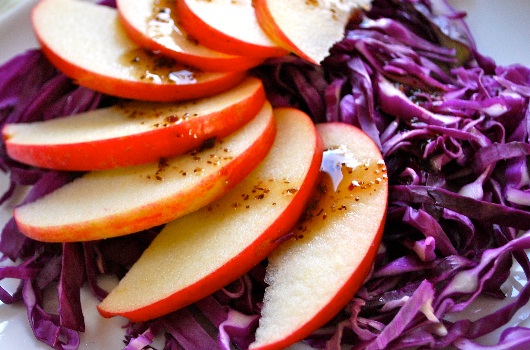
The benefits of consuming these fruits are certainly far-reaching, from adding fibre to your diet to protecting you from cancer.
We're always hearing about how imperative it is to eat raw fruits, but how much do we actually know about their positive effect on overall wellness?
In the following pages, we tell you what you need to know about each.
Apples
One cup of apples (138 grams) provides about 81 calories and contains about 21 grams of carbohydrates and 3.7 grams of fibre.
Apples contains flavonoids, quercetin, catechin, phloridzin and chlorogenic acid that protect the heart as they are potent antioxidants.
Flavonoids prevent excessive inflammation, regulate blood pressure, prevent too much clumping together of blood platelets; both soluble and insoluble fibre in apples helps lower LDL (bad) cholesterol levels.
Eating an apple daily reduces the risk of lung cancer, colon cancer and breast cancer. Red apple peel also contains many antioxidants that have cancer-fighting (antiproliferative) properties. Phytochemicals in apples (hydroxycinnamic acids, D-glucaric acid, oligomeric procyanidins) help in preventing mutations, promoting the demise of cancerous growths and limiting cancer spread.
Bananas
| |

One
banana (118 grams) provides about 108 calories and contains about 27
grams of carbohydrates, 1.2 grams of protein and 2.8 grams of Fibre. It
also contains Vitamin B6, and Vitamin C, minerals manganese and
potassium.
The rich potassium content is essential for maintaining normal blood pressure and heart function. The fibre content lowers cholesterol, which also protects the heart.
Bananas Have antacid effects -- they maintain electrolyte balance and protect against stomach ulcers and ulcer damage. Compounds in the fruit help create a thicker mucus barrier, thus protecting against effects of stomach acids.
The potassium found in bananas also counteracts increased urinary calcium loss caused by high-salt diets, thus preventing bones from thinning out at a fast rate.
The rich potassium content is essential for maintaining normal blood pressure and heart function. The fibre content lowers cholesterol, which also protects the heart.
Bananas Have antacid effects -- they maintain electrolyte balance and protect against stomach ulcers and ulcer damage. Compounds in the fruit help create a thicker mucus barrier, thus protecting against effects of stomach acids.
The potassium found in bananas also counteracts increased urinary calcium loss caused by high-salt diets, thus preventing bones from thinning out at a fast rate.
Cranberries
| |

Half
a cup of cranberries (47 grams) provides about 23 calories and contains
about six grams of carbohydrates and 1.9 grams of fibre. Cranberries
also contain Vitamin C, Vitamin K and Manganese.
These fruit protect from urinary tract infections and are anti-viral and anti-bacterial. They contain quinic acid, which prevents calcium and phosphate ions from reacting to form kidney stones. People with recurring kidney stones will benefit from drinking cranberry juice daily.
Cranberries are heart-healthy, improving blood vessel function and protecting against heart attack or stroke. Pterostilbene, a powerful antioxidant compound found in cranberries helps lower cholesterol.
They also help prevent cancer. Phytonutrients in cranberries protect from breast cancer and their proanthocyanidins are toxic to cancer cells, blocking tumour growths in the lung, prostate, breast and leukemia cancer cells.
These fruit protect from urinary tract infections and are anti-viral and anti-bacterial. They contain quinic acid, which prevents calcium and phosphate ions from reacting to form kidney stones. People with recurring kidney stones will benefit from drinking cranberry juice daily.
Cranberries are heart-healthy, improving blood vessel function and protecting against heart attack or stroke. Pterostilbene, a powerful antioxidant compound found in cranberries helps lower cholesterol.
They also help prevent cancer. Phytonutrients in cranberries protect from breast cancer and their proanthocyanidins are toxic to cancer cells, blocking tumour growths in the lung, prostate, breast and leukemia cancer cells.
Grapes
| |
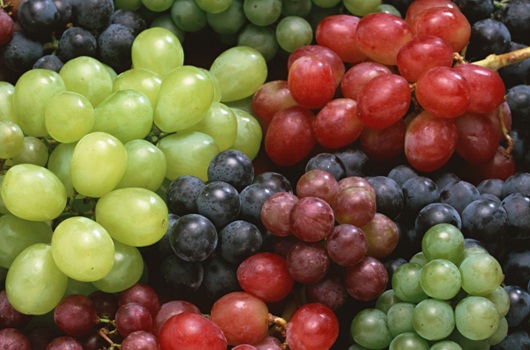
The fruit also contains Vitamin B1, Vitamin B6, Vitamin C and minerals manganese and potassium.
Resveratrol in grapes keeps the heart muscle healthy by increasing blood flow to the brain; it also lowers the risk of Alzheimer's and helps protect against prostate, lung, liver and breast cancer by inhibiting events that lead to cancer initiation, promotion, and progression.
In addition, saponins and pterostilbene in grapes help lower cholesterol.
Purple grape juice and red wines are anti-bacterial.
Kiwifruit
| |
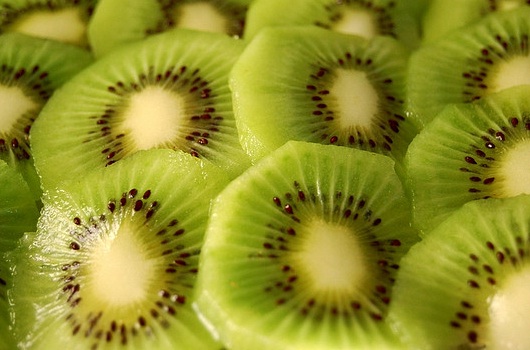
It also contains minerals copper, magnesium, manganese and potassium and potent antioxidants that are heart-healthy.
Kiwifruit is a rich source of Vitamin C and Vitamin E, which help prevent colon cancer, atherosclerosis and diabetic heart disease.
Its fibre helps keep blood sugar levels under control, thus making it a healthy snack for diabetics. The fibre also binds to cancer-causing chemicals in the colon, preventing them from damaging colon cells and reducing the risk of colon cancer.
Kiwifruit reduces the severity of asthma symptoms. Vitamin C-rich, it delivers protective effects against respiratory symptoms associated with asthma such as wheezing. Children who eat kiwifruit and citrus fruits regularly are less likely to have respiratory-related health problems including wheezing, shortness of breath or night coughing.
Eating three to five servings of the fruit a day protects your eyes against oxidative damage and senior citizens from macular degeneration.
Oranges
| |
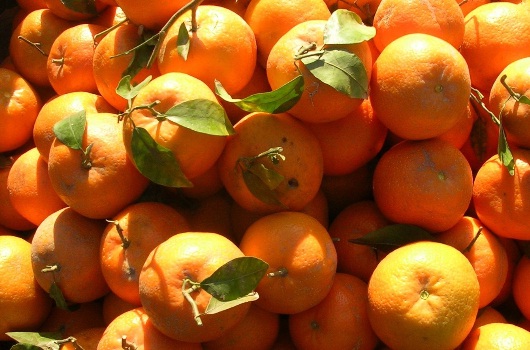
The fruit is a rich source of Vitamin C and also contains Vitamin A, thiamine, folates, calcium, and potassium; its 170 different phytonutrients and 60+ flavonoids have anti-inflammatory, anti-tumour and blood clot-inhibiting properties and are strong antioxidants.
Oranges are heart-healthy -- their potassium content helps lower blood pressure, protecting against stroke and cardiac arrhythmias. What's more, polymethoxylated flavones (PMF) found in citrus fruit peels lower cholesterol more effectively than some prescription drugs, and without side effects.
Limonin in oranges and other citrus fruits help fight mouth cancer, skin cancer, lung cancer, breast cancer, stomach cancer and colon cancer. Limonin is a potent anti-carcinogen that may continuously prevent cancerous cells from proliferating.
Oranges also help prevent kidney stones. They help increase urinary pH value and increase citric acid excretion, reducing the risk of calcium oxalate stones forming.
And a daily glass of freshly squeezed orange juice can significantly lower your risk of developing rheumatoid arthritis.
Papaya
| |
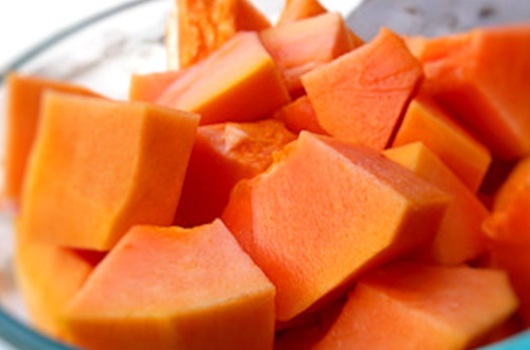
It is a rich source of heart-healthy nutrients Vitamin C, Vitamin A, folates, Vitamin E, and Vitamin K and contains potassium.
Papaya's powerful antioxidants help prevent the oxidation of LDL (bad) cholesterol, while its fibre helps reduce high cholesterol levels.
The fruit protects against colon and prostate cancer. Its fibre binds to cancer-causing chemicals in the colon, preventing them from damaging colon cells and reducing the risk of cancer. Its vitamins, beta carotene and folates are synergistic and protect colon cells from free radical damage to their DNA. The lycopene content, on the other hand, reduces the risk of prostrate cancer.
Papain in papaya reduces inflammation, reducing the severity of symptoms of conditions like asthma, osteoarthritis and rheumatoid arthritis.
Pears
| |

The fruit contains Vitamin C, and Vitamin K as well as the mineral copper, antioxidants that prevent oxidative damage to cells. Vitamin C also stimulates white blood cells to fight infections.
Pear fibre binds to bile salts and carries them out of the body. Bile is essential for digestion and the body will need to use up more Cholesterol to produce bile salts -- thus, pears lower cholesterol levels.
In addition, the fibre protects against colon and breast cancer.
Strawberries
| |

This fruit provides more than 136 percent of your daily requirement of Vitamin C; they also contain vitamins B2, B5, B6, B9, Vitamin K, copper, iodine, magnesium, manganese and potassium.
The phenols in strawberries provide potent antioxidant protection; phenols have heart protective, anti-cancer, anti-inflammatory properties. Overactivity of the enzyme COX leads to inflammation in rheumatoid arthritis, osteoarthritis, asthma, atherosclerosis and cancer. Phenols lessen the activity of this enzyme.
Studies state that ellagitannin in strawberries also help reduce the overall risk of cancer and their phytonutrients in particular significantly inhibit the proliferation of liver cancer cells.
They also protect against macular degeneration.
Watermelon
|
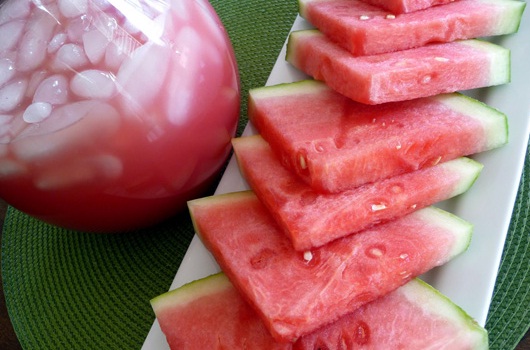
Vitamins in the fruit include Vitamin A, Vitamin B1, Vitamin B6 and Vitamin C; minerals include magnesium and potassium.
Powerful antioxidants in watermelon help protect your heart, reducing the risk of heart disease as they prevent free radicals from oxidising cholesterol.
Watermelon also reduces damage caused in osteoarthritis and rheumatoid arthritis by neutralising free radicals.
Lycopene in the fruit has antioxidant and cancer-preventing properties and protects the DNA inside white blood cells. Lycopene helps prevent prostate cancer, breast cancer, endometrial cancer, lung cancer and colorectal cancers.
Watermelon consumption also helps reduce the severity of asthma attacks; its antioxidants help reduce the airway spasm that occurs in asthma by neutralising free radicals. Free radicals add to the severity of asthma attacks by causing airways to clamp down and close.
Get a Good Pair of Sneakers
Is your energy lagging? Though it
may be the last thing you feel like doing when you're tired, exercise -- even a
brisk walk -- can be more effective than a nap or cup of coffee at fighting
fatigue.

Sniff
Rosemary
According to some research, catching
a whiff of this aromatic herb may increase alertness and improve memory. To
stay sharp, try smelling fresh rosemary or inhaling the scent of rosemary
essential oil before a test or meeting.

Embrace
Bitters
Combat a yen for sugar by following
a Chinese medicine approach: Eat foods such as endive, radicchio, cooked
greens, and olives.

Go
Fish
If you suffer from dry eyes, up your
seafood intake. Salmon, sardines, and mackerel contain omega-3 fatty acids,
which the body uses to produce tears, among other things. Research suggests
that people who consume higher amounts of these fats are less likely to have
dry eyes.

Pop
a Probiotic
To keep yeast infections at bay,
head for the vitamin aisle. Supplementing with "good" bacteria (for
example, Lactobacillus or Bifidobacterium) may help restore the balance the of
bacteria living in the female genital tract and inhibit the growth of yeast in
women with recurrent infections. Foods such as naturally fermented sauerkraut,
kimchi, and kefir, as well as yogurt with active cultures, also contain these
bacteria.

Benefit
From Bilberry
Studies are mixed, but some have
found that bilberry, a relative of the blueberry, may improve night vision.
During World War II, fighter pilots reported better night vision after eating
bilberry jam. Take 25 to 50 milligrams of bilberry extract; expect best results
within the first few hours.

Eat
Bananas
People whose diets are rich in
potassium may be less prone to high blood pressure. Besides reducing sodium and
taking other heart-healthy steps, eat potassium-packed picks such as bananas,
cantaloupe, and oranges.

Love
Lavender
To ease stress and prepare for bed,
soak in a hot bath spiked with a few drops of lavender essential oil. Play
soothing music while you bathe to unwind further.

Keep
Capsaicin Cream on Hand
For sore muscles and joints, apply a
cream or ointment that contains capsaicin, the active ingredient in chile
peppers, two or three times a day. The heat from the peppers has been shown to
help relieve pain.

Get
a Massage
Certain trigger points -- spots of
tension in musculoskeletal tissue -- can cause back pain. Ask a massage
therapist or other bodyworker who specializes in myofascial release or
neuromuscular therapy to focus on these points during a massage.

Go
for Garlic
Adding raw or lightly cooked garlic
and onions to your meals may help keep you healthy this winter. Both foods
appear to possess antiviral and antibacterial properties and are believed to
boost immunity.

Try
Tea Tree Oil
For athlete's foot, reach for tea
tree oil, an extract of the leaves of an Australian tree. It appears to have
antiseptic properties and may work as well as or better than over-the-counter
antifungal products. Apply a light coating of the oil to affected areas two to
three times a day; continue for a week or two after symptoms disappear.

Take
Tulsi
Research suggests that this
Ayurvedic herb, also called holy basil, may help manage levels of the stress
hormone cortisol, helping to boost your mood. Look for teas and supplements in
health-food stores and follow package directions.

Eat
Avocados
For dry skin, incorporate more
avocados into your diet. They're rich in monounsaturated fat and vitamin E,
both of which promote healthy skin. Try them on salads and sandwiches, and even
in smoothies.

Keep
Echinacea Close
If you feel a cold coming on,
consider reaching for this age-old remedy. A 2007 meta-analysis showed that the
herb can reduce cold symptoms. Aim for three grams daily in tincture or capsule
form, starting at the first sign of symptoms.

Invest
in a Neti Pot
Plagued with sinus problems? Rinse
your nasal passages twice a day to flush out pollen and other irritants. Put
saline solution (a 1/4 teaspoon salt and 1 cup warm water) in a plastic squirt
bottle or a nasal irrigator, a spouted container that allows you to pour water
directly into your nose. The solution should fill your nasal cavity and spill
out the other nostril. Gently blow your nose afterward.

Try
Triphala
Avoid constipation and stay regular
with Triphala, an Ayurvedic blend of three fruits that is believed to help tone
the gastrointestinal tract. Look for capsules of Triphala and follow package
directions.

Make
Small Talk
Engaging in casual conversation with
others may help keep you as sharp as doing a word puzzle, according to some
studies. Just 10 minutes of daily chatter appears to improve mental function
and preserve memory

Befriend
a Bottle
For heel and arch pain, try
stretching your foot by rolling it over a rolling pin or a bottle.

Arm
Yourself with Arnica
Homeopathic creams, gels, and
ointments that contain arnica, a flower similar to the daisy, have long been
used to relieve swelling and bruising. Rub into the affected area, but stop
using if you develop skin irritation.

Go
for GLA
If you've ruled out other causes of
hair loss, such as stress, overuse of hair-care products, and certain
medications and diseases such as hypothyroidism, consider supplementing with
evening primrose oil. It's a good source of gamma-linolenic acid, an essential
fatty acid that's needed for hair growth and is hard to get from your diet.
Experts recommend taking 500 milligrams twice a day; expect to wait eight weeks
to see results.

Avoid products that can damage or
dry out your fingernails, such as formaldehyde-containing polishes and
acetone-filled removers.
Eat
Japanese Food
In addition to following good dental
hygiene, you can help prevent cavities by adding more shiitake mushrooms and
wasabi to your diet. Both foods contain compounds that help fight the bacteria
that cause plaque and cavities.

Consider
Black Cohosh
Evidence is mixed, but several
studies have found that women who take the herb black cohosh during menopause
may experience fewer and milder hot flashes. Talk to your doctor about whether
it's right for you; if so, choose a well-studied brand such as Remifemin.

Hydrate
To treat an acute migraine, drink a
full glass of water -- dehydration can trigger headaches. Even if you need to
take a medication for the pain, try wrapping your head with an Ace bandage so
that it covers your eyes, then lie down and breathe deeply. This often helps
the pain pass more quickly.

Try
Acupressure
Calm a queasy stomach with this
quick acupressure trick: Use your index and middle fingers to press down on the
groove between the tendons that run from the base of your palm to your wrist.
Wristbands that apply pressure to this spot are available at drugstores and
online.

Watch
Your Carbs
Trying to reduce belly fat? Pay
attention to your carbohydrate intake and avoid artificial sweeteners. Sugary
snacks and other refined carbs spike blood sugar and cause pounds to settle in
your midsection. Choose whole grains, beans, and vegetables instead.

Use
Calendula Products
To ease acne, forgo benzoyl peroxide
for lotion or soap made from calendula flowers, which may have antiseptic
effects.

Cayenne
Pepper
To warm up cold feet, sprinkle a bit
of cayenne pepper into your socks. This folk remedy may help warm your toes by
increasing circulation and improving blood flow.

Use
Licorice
Treat canker sores, painful spots on
the inside of the mouth, with deglycyrrhizinated licorice (DGL), which appears
to soothe mucous membranes. Buy in powder form and mix with a little water to
make a paste; apply it to the sore as needed.

Call
a Friend
Keeping your social networks alive
and well may help benefit your ticker over the long term. Social support has
been linked to a lower risk of heart disease, and people who do have heart
attacks fare better if they are socially connected.

Drink
Cranberry Juice
Cranberries contain a substance that
appears to keep bacteria from sticking to the walls of the urinary tract and
has been shown to help prevent UTIs. Because cranberry cocktail is high in
sugar, drink unsweetened juice diluted with water or take capsules of powdered
cranberry extract.

Swab
Your Soles
Are you tired of having stinky feet?
Kill odor-causing bacteria quickly by soaking a cotton ball with rubbing
alcohol and wiping your soles as needed.
Drink
Mint Tea
Ease occasional indigestion by
sipping a cup of peppermint tea after your meal. Peppermint improves the flow
of bile, which moves food through the digestive tract more quickly. Use
peppermint with caution if you have acid reflux; it can make that problem
worse.

Get
Your Daily D
Get your vitamin D level checked
with a simple blood test. D is at least as important as calcium for strong
bones, and most Americans don't get enough. Get a minimum of 1,000 IU a day
through supplements and food.

Try
a Tongue Scraper
To combat bad breath, consider
investing in this inexpensive plastic or metal device to remove bacteria from
the back of your tongue. Some studies suggest that adding tongue scraping to
your regimen may be slightly more effective at eliminating breath odor than
just brushing your teeth.

Find
Friendly Fungi
The medicinal mushroom cordyceps has
traditionally been used to promote lung strength, and some studies show that it
may improve symptoms of respiratory conditions such as asthma and bronchitis.
Look for capsules or tinctures of cordyceps; follow package directions.

Break
Out the Duct Tape
Stick it to warts with this unusual
remedy. Some research found that applying the tape over problem areas for about
a week helped clear up warts as well as conventional treatment. Duct tape may
work by irritating the skin, triggering an immune reaction that fights the infection
typically responsible for warts.

Wash
Up
To fend off colds, washing your
hands well and often is the best step you can take. Use plain soap and water
and scrub for as long as it takes to sing "Happy Birthday to You"
twice.

Try
a Tincture
For that most unpleasant of stomach
upsets, diarrhea, blackberry root tincture can help. This herb contains
tannins, substances that have astringent effects on the intestinal lining. Look
for the tincture at health-food stores or online (try herb-pharm.com)
and take 1 teaspoon of it in water every two to four hours until symptoms
subside.

Chew
Some Fennel Seeds
Fennel seeds are considered a
carminative, a substance that helps relieve gas. Chew and then swallow about
half a teaspoon of the seeds after meals.

Research suggests that honey may be
more effective than over-the-counter cough syrup at quelling nighttime
coughing. Use a medicinal-grade variety such as manuka honey and take up to 2
teaspoonfuls at bedtime.

Eat
Broccoli
For healthy gums, put this green
vegetable on your grocery list. It's an excellent source of vitamin C and
provides calcium as well, both of which have been linked to lower rates of
periodontal disease.

Bone
Up on Calcium
Studies have found that
supplementing with 500 to 1,200 milligrams of calcium daily may ease
premenstrual symptoms. Other research suggests that getting calcium from foods
(low-fat dairy, whole grains, cruciferous vegetables, spinach, and beans) may
also ease PMS.

Seek
Out Slippery Elm
To soothe a sore throat, try
slippery elm, which can help ease pain by coating irritated tissue. Look for
slippery elm lozenges and suck on them as needed.

Drink
Green Tea
Hot or iced, green tea can help rev
up your workout. Its catechins, antioxidants, and caffeine help increase the
metabolic generation of heat. Drink a cup about 10 minutes before exercising.


0 comments:
Post a Comment